Empowering smallholder farmers
Improve livelihoods through training, community investment, and income generation.
Improve livelihoods through training, community investment, and income generation.
Support farmers as they adopt organic and regenerative agriculture practices that improve soil health, biodiversity, climate resilience, and long-term productivity.
Move more women into leadership, land ownership, and financial decision-making roles.
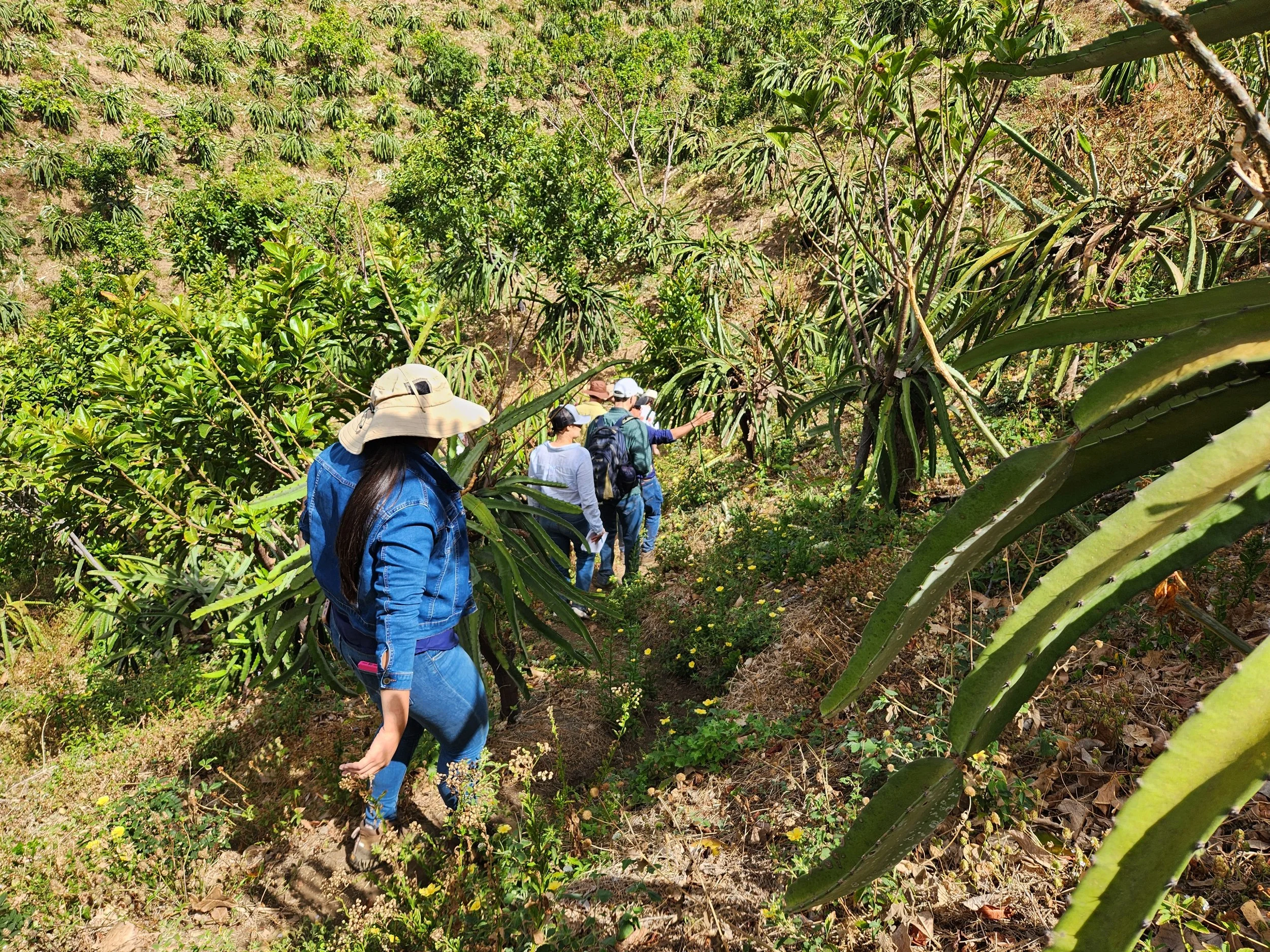
Like many rural farmers, Don Julio Baltodano is cut off from much of Nicaragua by poor roads and unaffordable transportation. Collection centers have been installed throughout Nicaragua to reduce transportation costs, but farmers still have to get their harvest to the collection points, often by horse-and-wagon or expensive tuk-tuk. After nine years following organic and regenerative practices with the ability to sell harvest to Sol Organica, Don Julio had a record of recurring bank deposits — proof of creditworthiness that let him secure a loan for a truck. The new truck carried more, ran more efficiently, and let him deliver his own harvest affordably while generating additional income from neighboring farmers who contributed to transport costs. For a family of five, reliable transportation also means better access to markets, schools, and health care.
I am happy to say that working with access to organic export markets has boosted my sales over the years, which helped me solidify a bank loan to purchase a truck. I was given the loan without hesitation because of the recurring sales receipts from Sol Organica. I have a 5-year repayment period but feel confident I can pay it back in 4.— Julio César Baltodano Ramos
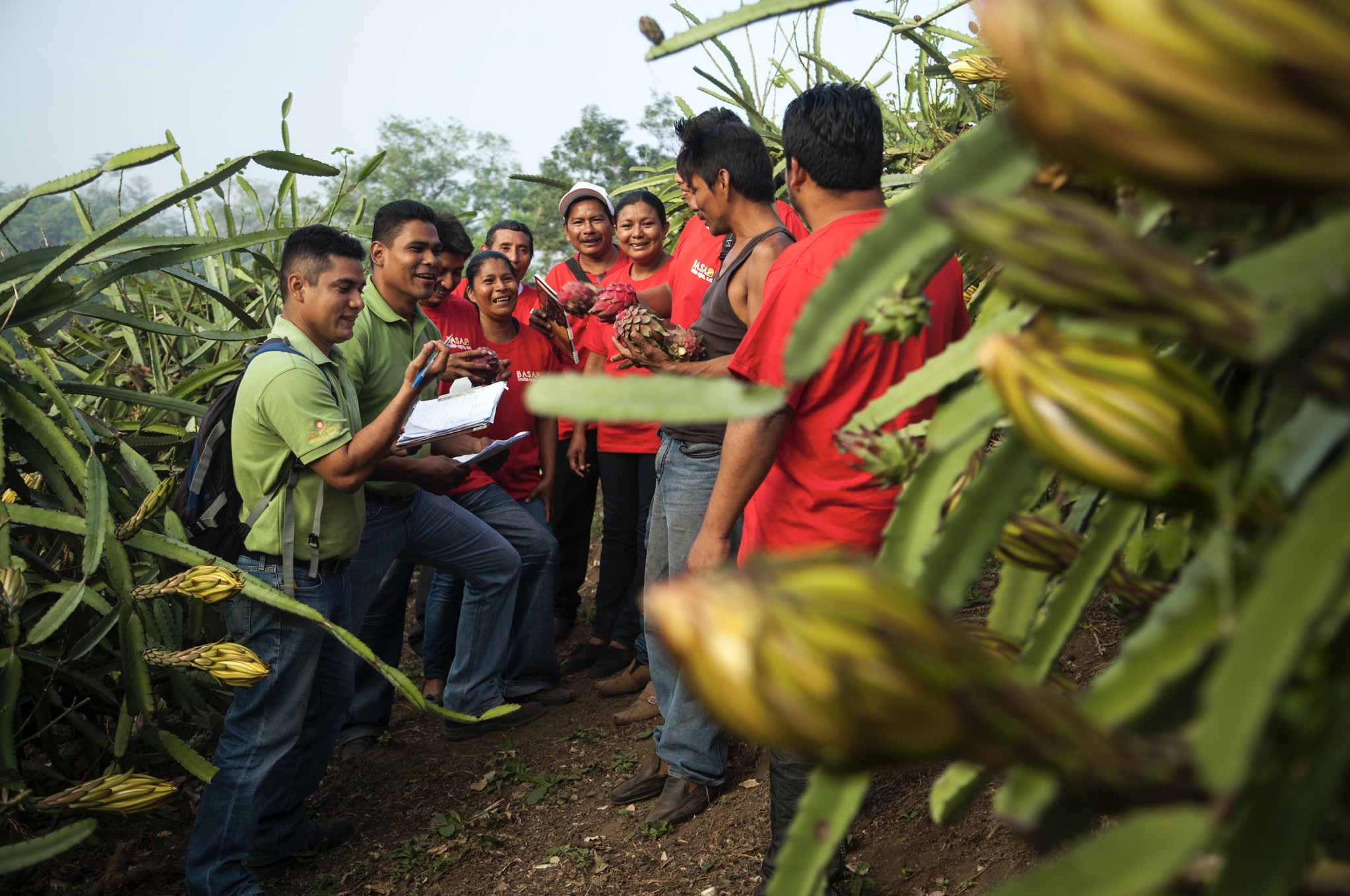
Jose has farmed dragon fruit since 2022. The land sits downwind of an active volcano that deposits sulfuric residue and acid rain — inhospitable to most food crops, but well suited to dragon fruit, a hardy, drought-tolerant cactus. That drought tolerance matters more each year as Nicaragua's dry spells lengthen. Working with an agronomist on a crop-nutrition plan, Jose raised his yields over a single year from 9,200 to 11,400 kg/ha. He also experimented with intercropping shade trees and has noticed more moisture retention and greenery between the cactus rows. Sol Organica has been central to building market demand for this resilient crop. In 2022, he also participated in an emerging leaders training, where farmers explored additional, non-agricultural ways to generate income. José took that opportunity and turned it into something tangible: a small pulpería serving his community with everyday essentials, including rice, beans, drinks and personal care products.
We work with regenerative organic systems to increase the land's productivity, increase dragon fruit quality, get recognized abroad, and earn better prices, which improves opportunities for our families and our quality of life.— Jose Isaias Jorge Carballo
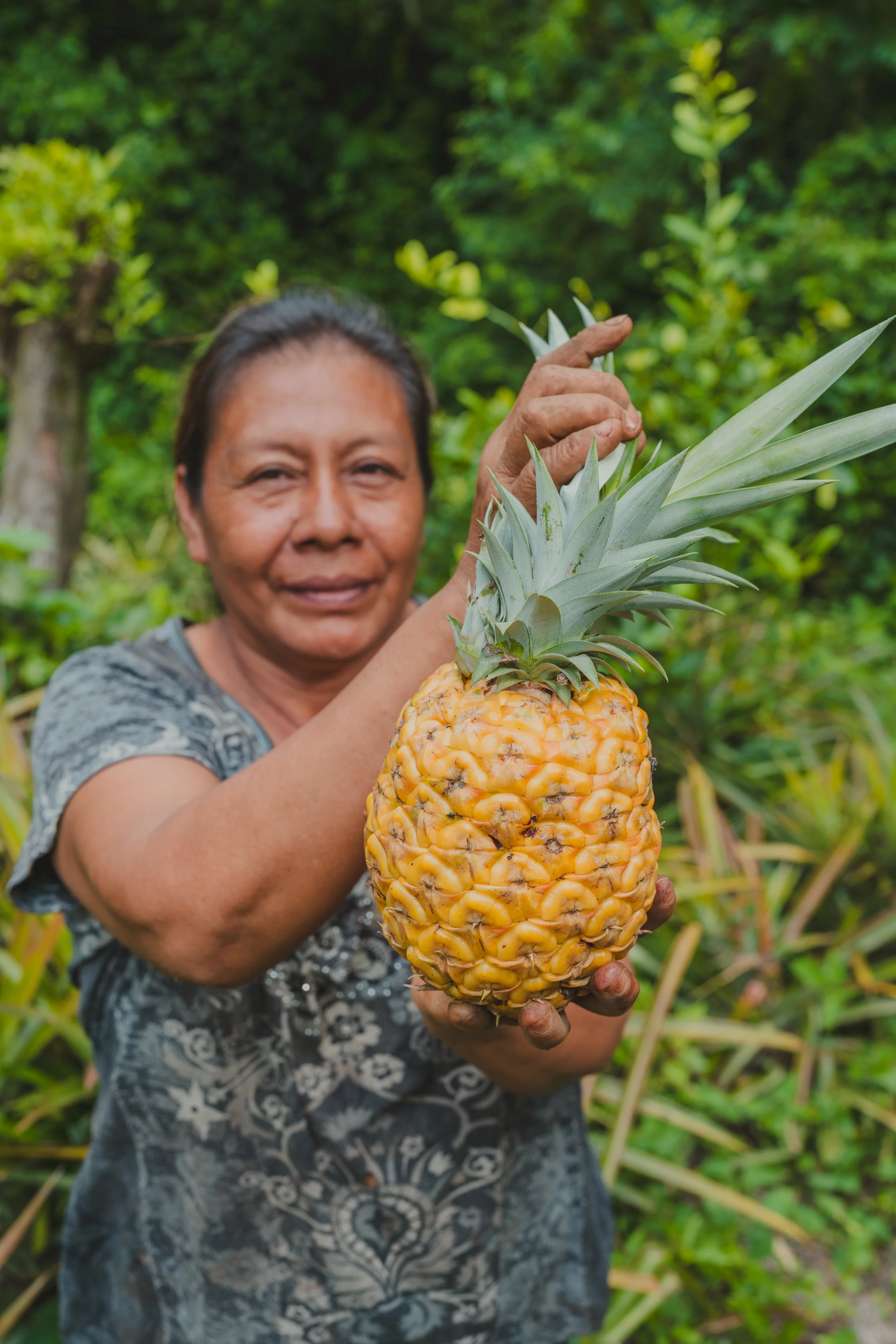
Maria, a single mother of four, took over her family's one-hectare dragon fruit farm after her husband passed away. Since partnering with Sol Organica in 2016, she has gained the support and resources to run a profitable business. With the agronomy team's guidance she learned crop diversification and practices that cut her input costs. Financial literacy training taught her to track expenses and estimate income — skills uncommon among smallholder farmers with limited formal education — which let her manage cash flow and stay profitable. Annual contracts with Sol Organica gave her visibility into her expected income, and ongoing agronomy support gave her the confidence to add pineapple, supplementing her income during the dragon fruit off-season. Her earnings, higher than she expected, helped put all four of her children through college — a privilege only 19% of Nicaraguans share.