Our vision
A future where regenerative agriculture allows smallholder farming communities to stay secure on their land and prosper for generations.
OUR GOAL is to prepare farmers to leverage market-based solutions for poverty alleviation.
A future where regenerative agriculture allows smallholder farming communities to stay secure on their land and prosper for generations.
To strengthen the resilience of smallholder farming communities in Central America and the ecosystems they depend on.
To empower smallholder tropical fruit growers by unlocking the tools they need most to adopt regenerative agriculture practices and principles.
Decades of industrialization and globalization built global trade around scale — financing, logistics, and buyer relationships that favor large producers. Smallholder tropical fruit growers were left out of that system, with few resources to navigate markets.
We use catalytic philanthropic capital to move smallholder growers into organic and regenerative practices — funding the training, technical assistance, community infrastructure, and microloan access that commercial capital alone often cannot finance. That investment de-risks the transition for growers who are among the most exposed to climate shocks, building their resilience and preparing them for global markets.
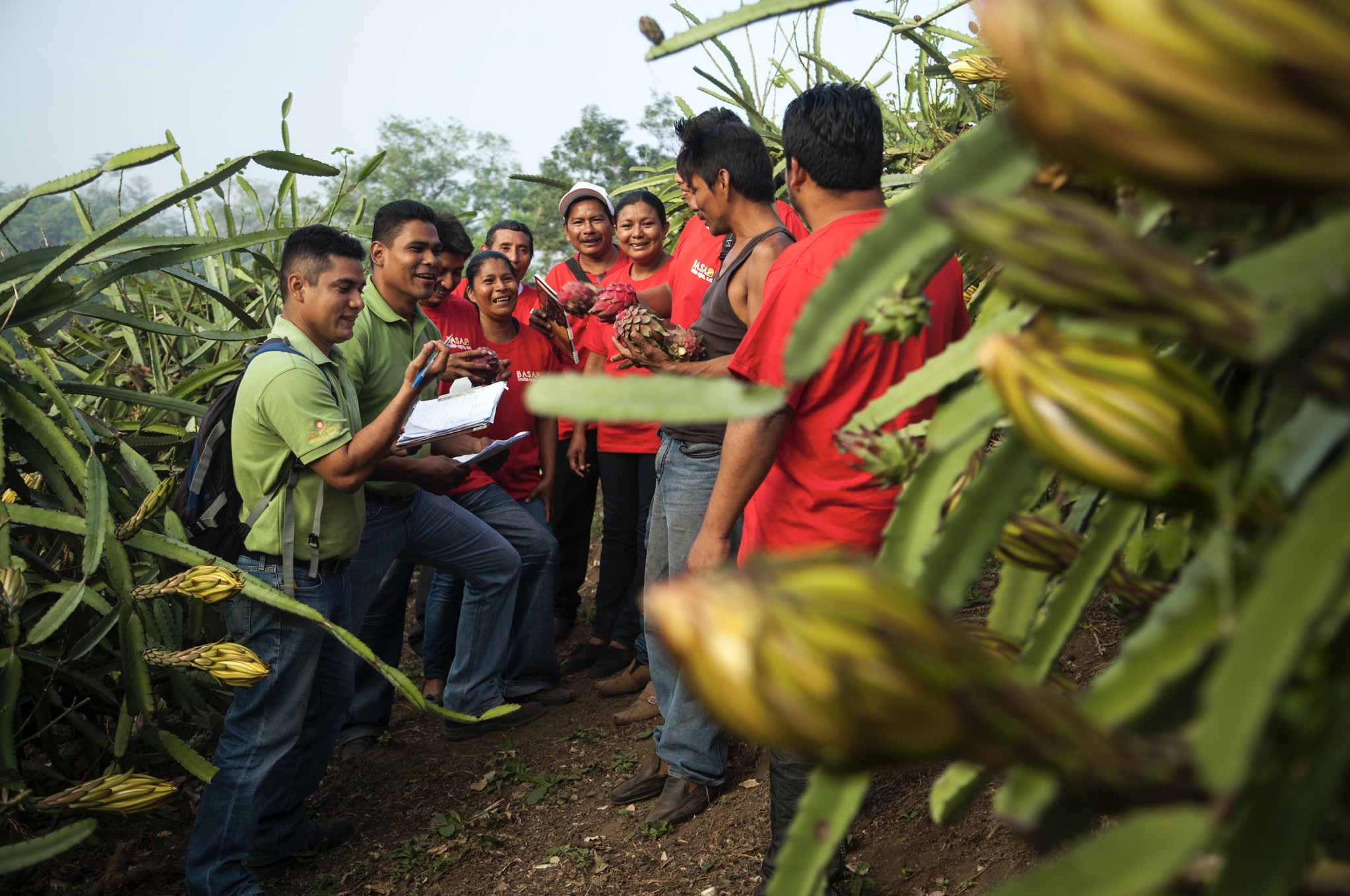
Sol Impact expands and deepens the work of Sol Organica, a social enterprise that has transitioned tropical fruit growers into organic, regenerative, and fair trade value chains since 2007.
By preparing smallholder growers for export markets, we catalyze income that outlasts any single project. Our approach turns development initiatives into long-term assets, so growers can build resilient communities across Central America. Producers gain agricultural knowledge, ongoing technical expertise, peer support, and access to credit and entrepreneurial training — the foundation they need to invest in their farms, diversify income, and adapt to volatile weather and a changing climate.
Sol Impact's antipoverty goals is made possible by providing smallholder growers with tools they can rarely access on their own.
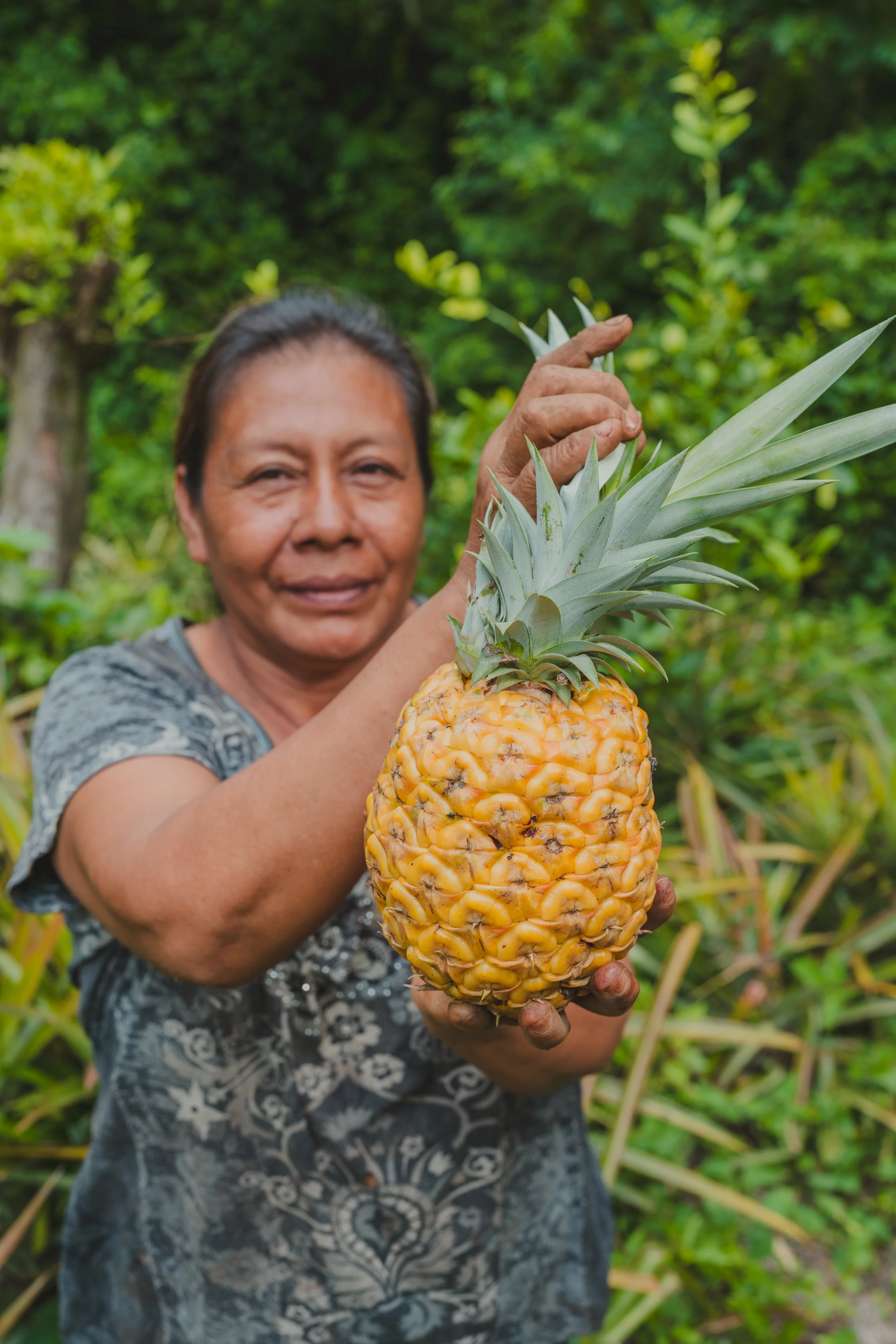
We work with both independent smallholder producers and growers organized in cooperatives who manage diverse agroforestry systems — crops such as banana, plantain, mango, lime, and coconut, alongside pineapple, dragon fruit, and passion fruit. Any new or expanded crop is additive: it grows and diversifies a farmer's income rather than replacing what already works. We provide guidance on crop nutrition, organic methodology, and regenerative practices so farmers can grow high-quality yields for export, local sale, and family subsistence. Every project is designed for farmer and community impact, well beyond a single crop.
Sol Impact is governed by a board that brings together international development, regenerative systems design, and on-the-ground experience across Latin America, the Caribbean, and Africa.
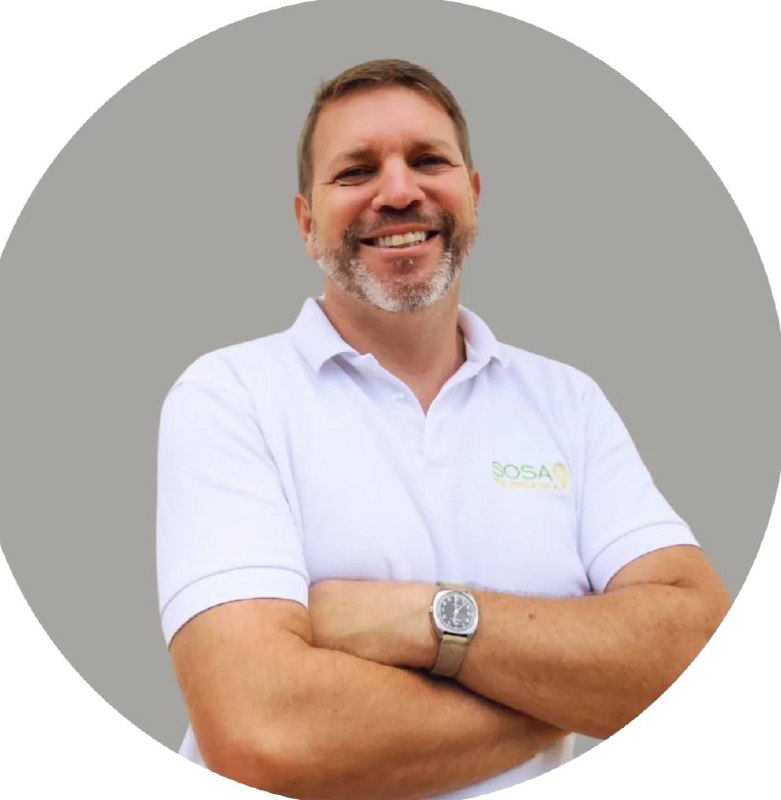
Will founded and directs Sol Organica, LLC, a social enterprise focused on market-based solutions to poverty alleviation across the Nicaraguan and Guatemalan smallholder farming landscape. He created the Sol Simple brand and leads four vertically integrated B Corps that re-engineer agricultural value chains, building a customer base that includes leading multinational brands buying high-quality organic and regenerative tropical purees and juices. His integrated model links more than 1,200 smallholder farming families to global markets through free, holistic technical assistance, fully underwritten organic and Fair Trade certifications, and credit programs.
Will's focus on innovation and execution has made his team a leader in regenerative value-chain development — work that produced the world's first Regenerative Organic Certified (ROC) fruit and established the company as the world's first and leading certified-organic exporter of dragon fruit. Through programs like local collection centers and zero-interest credit for bulk organic inputs at cost, he keeps improving farmer viability while sourcing high-quality product and building a stronger, more regenerative food system. His team's community focus earned the B Corp "Best in the World" Honoree award for Communities. Will holds a B.S. from Loyola University Chicago and a master's degree from the University of Colorado, Boulder.
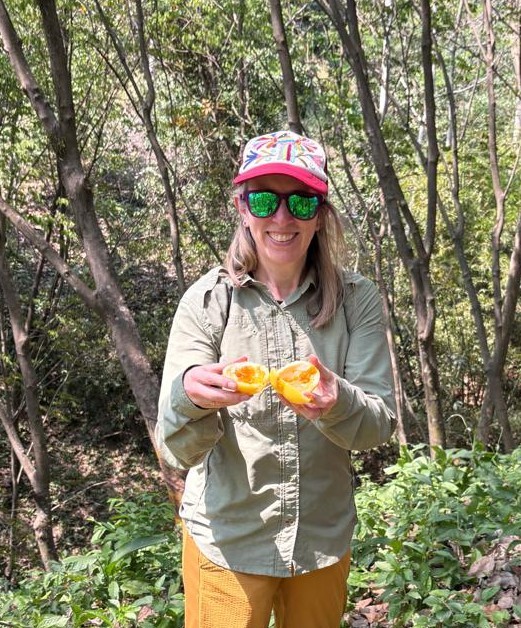
Amanda is a former Peace Corps volunteer in Armenia with an M.S. in Food Policy from City University, London. As a volunteer, she built a dental health project by securing USAID funds, facilitating partnerships, monitoring implementation, tracking finances, and evaluating impact — work that improved preventive care in a former dairy-producing village that now relies on a subsistence economy, where she lived with a host family. At Korean American Community Services, she identified funding opportunities, wrote grants, and secured support for cultural arts programs.
As a Senior Research Analyst, a policy manager at SPINS LLC, and Lead Market Analyst at New Hope Network, Amanda learned to coordinate data collection across platforms and datasets and to identify the inputs and variables a project needs. Her time at New Hope sharpened her commitment to regenerative agriculture and its potential for social impact. Her goal is to advance regenerative food systems that nourish healthy communities by leveraging her project management, research, and analytics skills, to identify needs areas and projects to improve outcomes while monitoring and evaluating impacts.
Sandra is Director of Strategic Collaboration and Development at Glasswing International, drawing on two decades of work with communities across Latin America, the Caribbean, and Africa. Her work with the Salvadoran government and organizations like FINCA, Save the Children, and Population Council has centered on microfinance, humanitarian assistance, and positive youth development. She holds a Master's in Law and Diplomacy (MALD) from the Fletcher School at Tufts University. At Glasswing since 2016, she has led a team building sustainable programs and partnerships that address complex social challenges — positive youth development, mental health support, and community resilience — bringing multiple sectors together to foster social cohesion and more inclusive communities.
Sandra helped establish Glasswing's presence in Colombia, where teams now run education, mental health, and migration programs. She lives in Bogota with her husband, son, twin daughters, and their very active Border Collie.
Hugh is a dual French and U.S. citizen who has spent more than 20 years working with communities in Africa, the Caribbean, and Central and South America. He leads Mercy Corps' portfolio in the Americas region, including programs in Colombia, Venezuela, Guatemala, Haiti, and the Caribbean. He joined Mercy Corps in 2018 as Country Director in Colombia, overseeing solutions at scale for vulnerable populations including smallholder coffee farmers, internally displaced people, and Venezuelan refugees.
Before Mercy Corps, Hugh spent many years at Catholic Relief Services in a range of leadership roles: Director of the Water-Smart Agriculture in Mesoamerica program (improving soil health management in Central America and southern Mexico), Country Representative in Nicaragua, Head of Programming in Guatemala, Field Director in Haiti, and Emergency Response Manager in the Democratic Republic of Congo. He holds a MALD from the Fletcher School (Tufts University) and a B.A. in Political Science and Italian Literature from Indiana University. Hugh and his wife, Sandra, are raising their twin daughters and son in Bogota, Colombia.